Resources
How to Avoid Slipping on Ice (and what to do if it happens)
This article comes out of a very recent event where I slipped and fell in front of the entirety of New York on a spot of ice. A tiny circle, likely left by a splash of spilled water, had managed to freeze over and become a slippery spot of disaster. Thankfully, I was not badly hurt but it did encourage me to gather some research on the best ways to prevent slipping on ice and protect yourself (and save your ego).
For adults over 65, there is a high risk of serious injury from slipping on ice. Older adults tend to have an unsteady gait and less strength, but falling on ice can be harmful for anyone, no matter their age. Studies show that 70% of weather-related injuries in the winter are a result of slipping on ice. As a Physical Therapy clinic, we see a large number of weather-related injuries every year, which is why we want our patients to take extra care around this time of year.
1. Proper Footwear
To be fair, my mom warned me years ago when she bought me snow boots. It took one hard fall for the lesson to finally sink in, but now, believe me, I wear them every day.
Shoes with built-in grips or traction cleats make a real difference. Slipping starts at the feet, so staying prepared means leaving impractical shoes at home. As a bonus, snow boots usually have a thick lining, keeping your feet warm as well as steady.

2. Exhibit Precaution
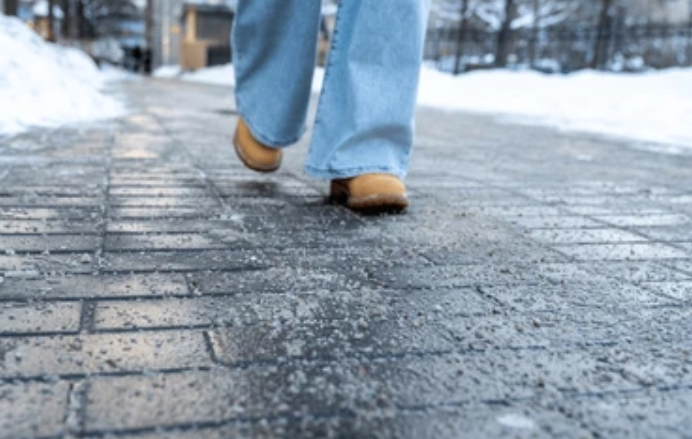
The best way to avoid an ice injury is to be prepared for your walk outside. Take smaller shuffling steps to prevent your risk of slipping. Stay aware of your surroundings and the ground ahead of you. This means keeping your phone out of your hand and your eyes on the ground!
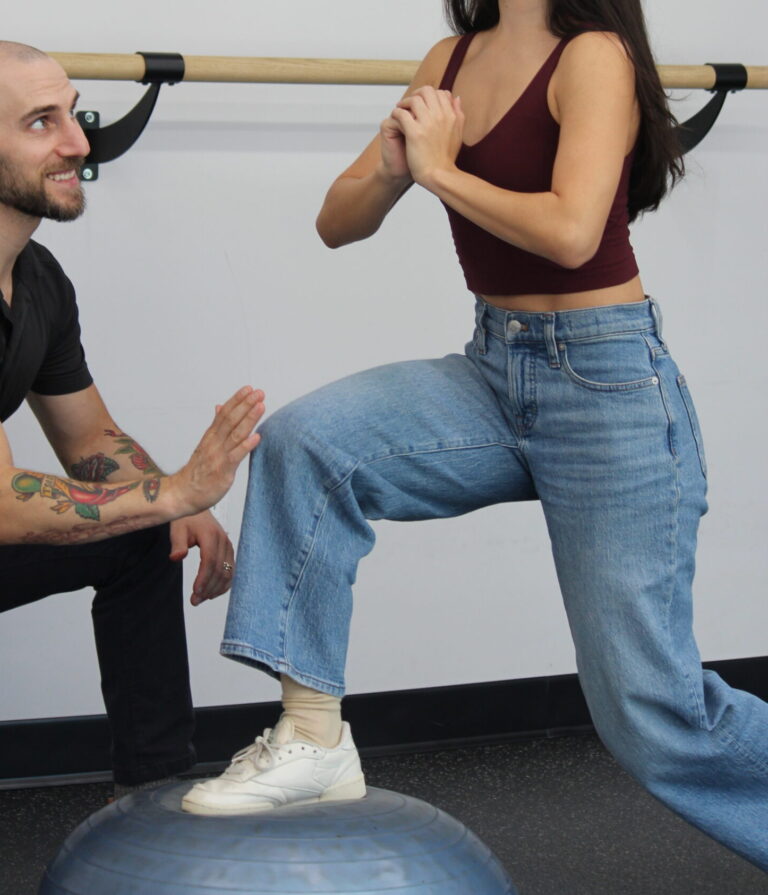
The best exercises you can do to prepare for ice are ones that target your balance. Our Physical Therapists recommend:
- Standing on one leg – 3 sets of 30 sec
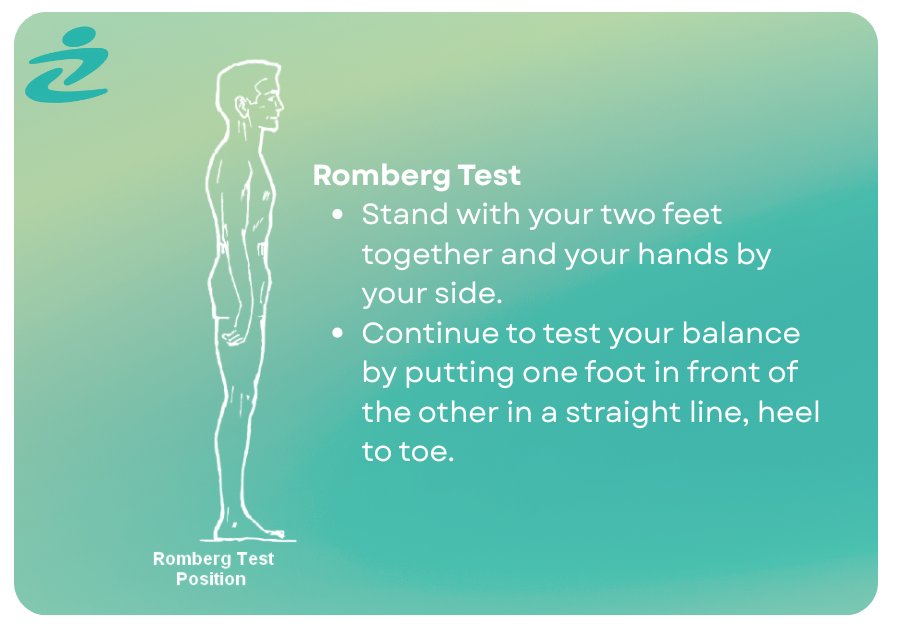
- Romberg balance (see below) – 3 sets of 30 seconds
- Practice getting up and off the floor – This one may sound silly, but it’s actually an important and overlooked skill, especially as you get older.
3. Is there a right way to fall?
According to our PT’s, it depends on the way you’re falling. What’s important is that your instinct will kick in as your body tries to protect it’s most important parts.
Your hands are likely to be what catches your fall, and gloves can make a huge difference. Remember that hands kept in your pockets can’t always make it out in time to catch you. Wear gloves to protect your hands and wrists, but also to keep them warm (and out of your pockets). If it comes down to it, protecting your head is much more important than any other body part.

4. You slipped, now what?
Even if you fell in the “correct” way, you are still on the floor, and it’s normal to feel some shock immediately afterward. If you believe you may be seriously injured, it’s best to stay where you are and wait for medical professionals to assess the situation. While this may feel extreme, moving after a potential head or spinal injury can sometimes cause more harm than expected.
If you feel confident that you are not seriously injured, carefully get up (this is where our practice exercises can be especially helpful) and take a moment to assess how your body feels. If you notice any pain or discomfort, consider scheduling an appointment with a doctor or physical therapist.
When to seek a doctor:
- Pain does not improve within 24–48 hours after the fall.
- The injured area looks unusual, including noticeable swelling or bruising.
- If you hit your head.
When to seek a Physical Therapist
- Pain disrupts everyday activities, preventing you from carrying out normal tasks.
- You notice a loss of movement or increasing difficulty moving the injured body part without discomfort.
Through careful examination, physical therapists develop personalized treatment plans to help improve movement, manage or reduce pain, restore function, and prevent long-term disability.
Schedule a consultation here

This web site is provided for educational and informational purposes only and does not constitute providing medical advice or professional services. The information provided should not be used for diagnosing or treating a health problem or disease, and those seeking personal medical advice should consult with a licensed physician. Always seek the advice of your doctor or other qualified health provider regarding a medical condition. If you think you may have a medical emergency, call 911 or go to the nearest emergency room immediately
Resources from our blog