Resources
Dead Butt Syndrome: Effects of Sitting at Desks
Have you ever heard of Dead Butt Syndrome (DBS)? It’s a phenomenon that became a popular topic in 2024 but has been a topic of discussion since the early 2010s. Coined by Dr. Tim Kolba, this concept continues to be relevant for patients today.
Have you noticed that your office job seems to be increasing your knee pain or lower back pain? You’re not alone. More than 80% of Americans work desk jobs, often sitting for up to eight hours a day. With many companies requiring employees to return to in-person work, poor posture and prolonged sitting have become even more common.
While many people focus on having an “ergonomic” workstation, it’s often everyday work habits, such as sitting too long without movement, that are the sneaky contributors to your aches and pains. Even the best desk setup can’t fix long periods of inactivity.
Dead Butt Syndrome doesn’t only affect office workers. Odds are you have also felt uncomfortable after sitting in a car or airplane for too long. Staying in one position for an extended period of time, places increased stress on the lower back, hips, and hip flexors. Over time, these sedentary positions can cause the glute muscles to weaken and stop activating properly, leading to DBS.
What is Dead Butt Syndrome?
Dead Butt Syndrome, also known as gluteal amnesia, can happen after prolonged sitting and inactivity in the glute muscles. Your glute muscles’ primary function is to support the pelvis. However, weak glute muscles can lead to pain in other areas of the body as well as poor body alignment. This is why you may feel symptoms like pain in your hips, back, knees, and numbness in the glutes after sitting down all day.
How to Assess if You Have DBS
The name itself is a little bit misleading. Your glute muscles are not dead…they are just weak from being sedentary for too long. When muscles are not activated for a long period of time, our body assumes that they are not important. Our body breaks down any muscle tissue that is unused and converts it to fuel because it wants to prioritize energy. This results in minimized, smaller, and weaker muscle fibers. This exact process is what happens to your glute muscles when they go unused.
Here are some signs that you may be experiencing weak glute muscles:
- Do you feel numbness and tingling in your glutes when you sit for an extended period of time?
- Does your lower back ache after a long day of work?
- Are you experiencing tightness in the front of your hips?
- Does it take you a minute to gear yourself up when you stand up after sitting?
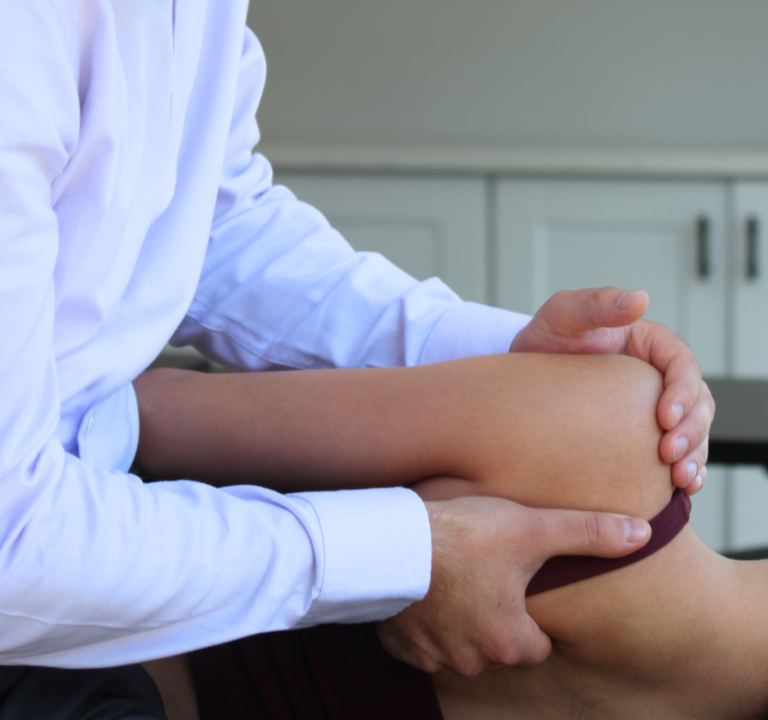
If you aren’t sure about your symptoms, this may be a good time to seek professional help. Physical Therapists will perform a careful examination and physical assessment to create a treatment plan for you.
Book a physical examination here.
How to Prevent DBS
The answer is luckily pretty easy. Use your glutes!
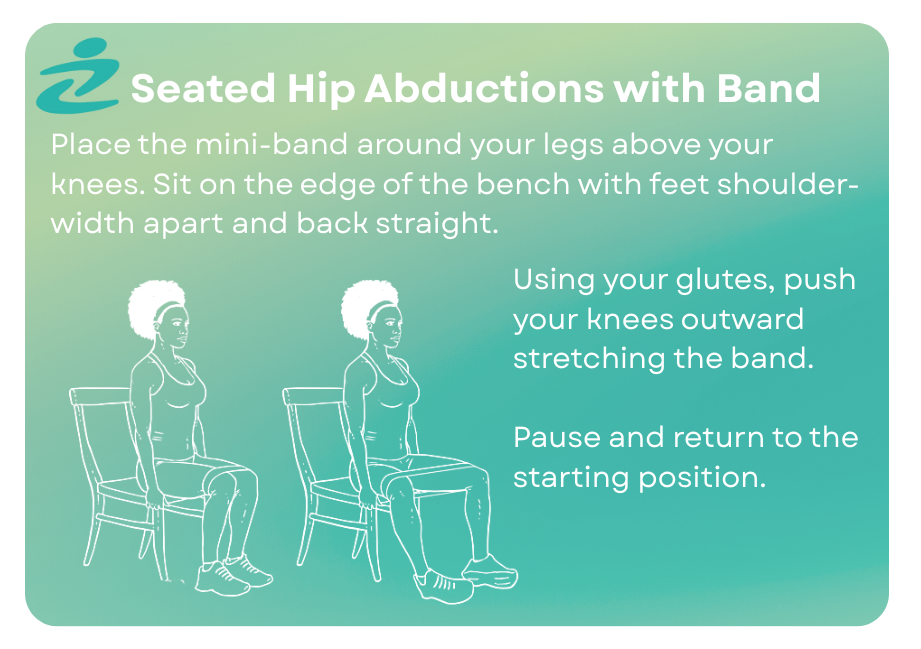
Our therapist’s favorite one is actually an exercise that can ironically be done while sitting. Keep a resistance band at your desk and place it around the tops of your knees. Keep your feet stationary and open your knees out to the side, performing hip abduction. Do 3 sets of 10 squeezes as you go about your work day.
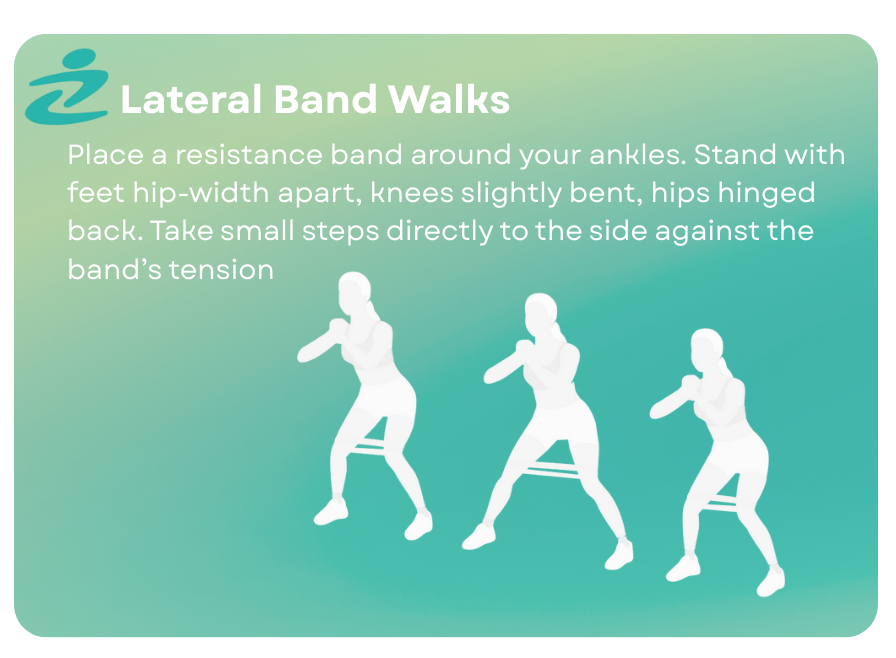
Additionally, our therapists recommend the following exercises to help mitigate the effects of staying stationary in one place for a prolonged period of time:
- Floor Bridges
- 3 sets of 10
- Lay with your back on the floor and bend your knees. Slowly lift the hips until they are in line with your knees, hold for 3 seconds and slowly return back to the ground.
- Lateral Band Walks
- 3 laps, 50 feet in each direction.
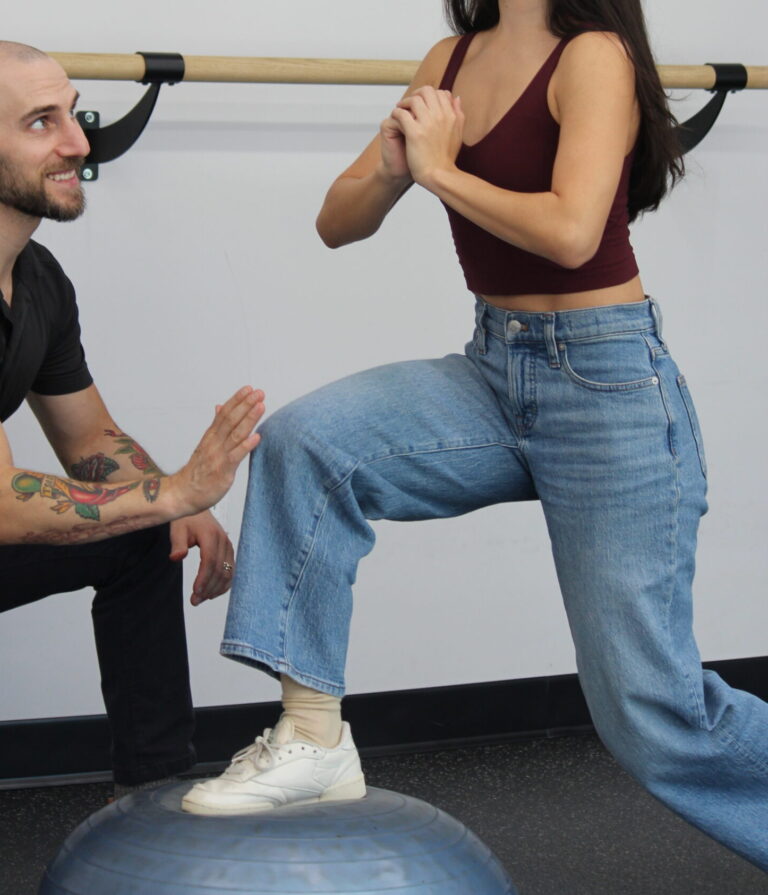
- Squats
- 3 sets of 10
Even simply squeezing your glutes as you sit throughout your day can be a way to wake up your neuros and activate your glutes. While this won’t necessarily build strength, it will ensure that they remain active throughout the day.
Ergonomics of Your Work Setup
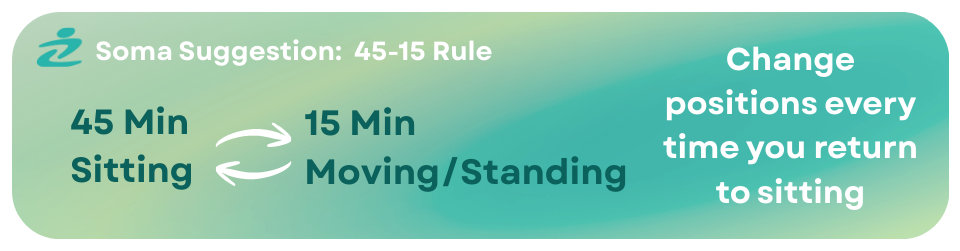
Remember, the best working posture is one that constantly changes. No matter how ergonomic your position is, staying in one position for extended periods of time isn’t good for you. Follow the 45-15 Rule to switch it up and remember to stand up!
It’s hard to avoid sitting at a desk during work, so your best bet is to try to make it as comfortable as possible to minimize any other aches and pains. Thankfully, I had our Occupational Therapist and Ergonomic Specialist, Costa, provide some tips on the best ways to avoid this phenomenon.
Our Ergonomics Specialist recommends:
- Looking for desk chairs that have a long back
- Find a chair where the back of your knees extends past the edge of the chair by two inches.
- Rolling chair with five wheels
- Consider a leg rest if your feet don’t touch the floor
At the end of the day, the #1 tip is to get up and take a break. Taking five minutes every hour to stand up, stretch out your legs, and get some steps in is a game-changer for your glutes. It’s easy to get locked into your work, so set a timer reminder every 60 minutes to ensure you stay active.

Thanks for reading!

Resources from our blog